
Education
Education is a core aspect of the Killadeer Green Energy project. As well as providing educational resources, we will offer expert led tours around wind farms for members of the neighboring community and local schools. To arrange, contact us via the button below.
Climate Change
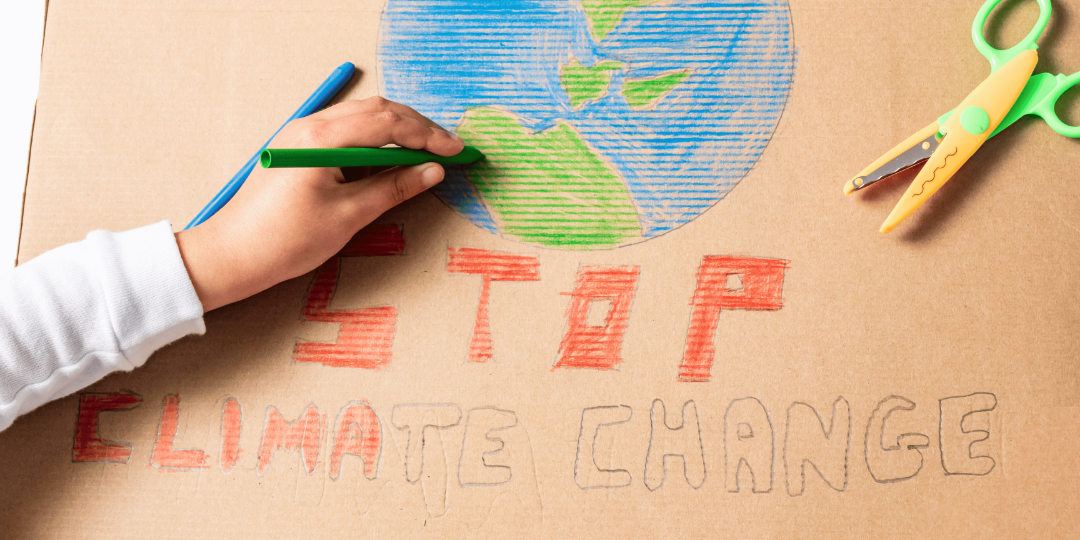
The world is now approximately 1.3°C warmer than the pre-industrial average, largely because of the burning of coal, oil and gas, together with deforestation and other human activities.What is Climate Change?
- Climate is the average pattern of weather conditions in a region over long periods, typically 30 years or more.
- Climate change refers to long-term changes in average weather patterns, including temperature, rainfall and wind patterns
- The Earth is now in a period of rapid climate change, with global temperatures rising.
What are the causes?
- There have always been natural variations in the climate, but global temperatures are rising now,
because of human activities. - The world is about 1.2°C warmer than before people started using oil, gas and coal to power factories
and transport, and to heat homes. - Greenhouse gases released by burning fossil fuels trap heat in the atmosphere, reducing the amount of energy that escapes into space
How have human activities influenced climate change?
- Humans are increasingly influencing the climate and the earth’s temperature by burning fossil fuels, cutting down forests and farming livestock.
- This adds enormous amounts of greenhouse gases to those naturally occurring in the atmosphere, increasing the greenhouse effect and global warming.
- Atmospheric carbon dioxide (CO₂) concentrations have increased by more than 50% since the beginning of the Industrial Revolution, reaching levels not experienced for millions of years.
- Another source of greenhouse gases is deforestation. When trees are burned or removed, the carbon they have stored is released into the atmosphere, while fewer trees remain to absorb CO₂ from the air.
the greenhouse effect
The Greenhouse Effect is a natural occurrence that is essential to human life. Energy from the Sun passes through the atmosphere and warms the Earth’s surface. The Earth then releases heat, some of which is trapped by greenhouse gases in the atmosphere.. Not all the energy from the sun is trapped, some of it is reflected into space. This process of absorbing and reflecting energy warms the planet to an average of 15 degrees Celsius, this ensures that life on earth is possible. Rapid increases in greenhouse gas concentrations in the atmosphere are resulting in global warming.
Throughout Earth’s history, the climate has changed naturally, including ice ages and much warmer geological periods. During the Carboniferous Period, vast tropical forests stored enormous amounts of carbon that eventually formed today’s coal deposits. The Industrial Revolution saw a rapid increase in coal consumption, leading to significant air pollution and rising greenhouse gas emissions.
The Industrial Revolution saw the growth in coal consumption, which gave rise to unprecedented levels of air pollution. This was followed by the production of industrial chemicals, the increased production of consumer goods, and the intensification of agriculture. All these activities have something in common – they are energy intensive. Until recently most of our energy demands have been satisfied by our reliance on fossil fuels. Until recently, most of the world’s energy needs have been met by fossil fuels such as coal, oil and natural gas.
Renewable Energy
Government Targets
The need to address climate change, strengthen energy security and reduce reliance on imported fossil fuels has led to an increased focus on renewable energy generation in Ireland. The transition to a low-carbon electricity system, supported by renewable energy and energy storage technologies, is a key objective of Ireland’s National Planning Framework and Climate Action Plan.
Ireland has committed to generating up to 80% of its electricity from renewable sources by 2030 as part of its legally binding climate commitments. Achieving this target will require significant investment in renewable energy infrastructure, electricity networks and energy storage systems. Onshore wind energy is recognised as one of the most mature, cost-effective and scalable renewable technologies available to support this transition.
Renewable Energy and Agreed Targets
Ireland’s Climate Action Plan identifies the following indicative renewable electricity capacity targets for 2030:
| Technology | 2030 Target Capacity |
|---|---|
| Onshore Wind | 9 GW |
| Offshore Wind | 5 GW |
| Solar Power | 8 GW |
Meeting these targets will help reduce greenhouse gas emissions, improve energy security and decrease dependence on imported fossil fuels while supporting Ireland’s transition to a more sustainable energy system.
RENEWABLE ENERGY – WIND POWER
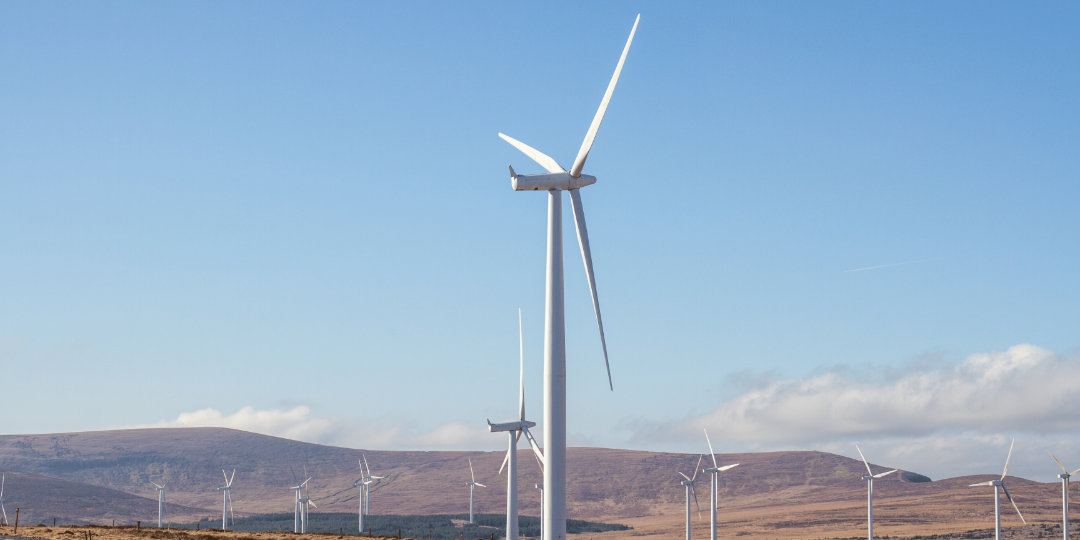
Onshore wind energy forms a key part of Ireland’s strategy to increase clean electricity generation, reduce greenhouse gas emissions and enhance energy security. Electricity generation remains a significant source of Ireland’s carbon emissions, and replacing fossil fuel generation with renewable sources is an important component of achieving national climate objectives.
Wind turbines produce electricity without emitting greenhouse gases during operation. Modern wind turbines typically generate the amount of energy required for their manufacture, installation, operation and eventual decommissioning within approximately three to twelve months and have an expected operational lifespan of 25 to 30 years. As a result, wind energy has one of the lowest life-cycle carbon footprints of any large-scale electricity generation technology.
In addition to environmental benefits, onshore wind projects provide economic and social benefits. These include employment during construction and operation, community benefit funding, long-term income for participating landowners, commercial rates paid to local authorities and increased investment in rural communities. By increasing the proportion of domestically generated renewable electricity, wind energy also helps reduce Ireland’s exposure to volatile international fossil fuel markets and contributes to a more secure and resilient energy system.
References
- Government of Ireland, Climate Action Plan 2025
- Sustainable Energy Authority of Ireland (SEAI), Energy in Ireland 2025 Report
- Sustainable Energy Authority of Ireland (SEAI), Renewable Energy in Ireland (latest edition)
- Project Ireland 2040 – National Planning Framework